

Stay informed on the forces shaping global health. Holistic Intelligence in Healthcare. Industry Blog. By Anton Baysa, M.D., Ph.D.
Oslo, Norway
Joined July 2024
- Tweets61.7K
- Following1.4K
- Followers5.1K
- Likes39.4K





Pinned Tweet
Welcome to @AponiaAnalytics
🦉🦉🦉
Curious about how emerging diseases and breakthrough innovations shape tomorrow’s healthcare worldwide?
Follow along for the latest news, real-time trends, and unbiased analysis.
🦉📈💊⚕️
Your provider of holistic intelligence in healthcare and biotech.
We cover:
- #BreakingNews in biotech, medtech, and healthcare.
- Health threat reports, emerging #diseases, #outbreaks, #epidemiology.
- #MarketAnalysis
- Trending companies and #startups.
Follow us!
@aponia_analytics team 🦉🦉🦉

🦉 Immunology Frontiers: When Treatment Meets Biology
November 11, 2026 | Daily Digest
New findings reveal why treatment order can change checkpoint blockade, how the physical environment governs immune activation, and why familiar markers of antitumor immunity may behave unexpectedly.
🩸 1. Cisplatin First. Immunotherapy Second.
The order of treatment may matter as much as the combination itself.
In mouse models of oral squamous cell carcinoma, cisplatin followed by anti-PD-L1 produced the greatest numerical tumor inhibition among the tested schedules. Final tumor volume was 56.1% lower than in untreated controls.
Cisplatin priming reduced regulatory T cells and M2-like macrophages while increasing IFN-γ-producing CD8+ T-cell activity.
Two of three patient-derived tumor organoid models also responded best to chemotherapy before checkpoint blockade.
The results suggest that cisplatin can prepare the immune environment for subsequent treatment. Whether this sequence improves patient outcomes remains untested.
Frontiers in Immunology · November 11 · Original research · Open access · Preclinical
doi.org/10.3389/fimmu.2026.1…
🩸 2. Why Immune Cells Behave Differently in the Lab
For years, NLRP3 inflammasome activation has posed a puzzle: two signals are usually needed in laboratory experiments, but one can suffice inside living organisms.
A Nature study identifies an overlooked variable—tissue stiffness.
On physiologically soft extracellular matrices, macrophages activated NLRP3 through an NRF2–PANX1-dependent pathway that standard culture conditions can obscure.
The connection extends to cancer vaccines. In experimental melanoma models, NRF2 was required for protective immunity induced by NLRP3-activating vaccine adjuvants.
A physical property of the tissue can therefore change fundamental inflammatory signaling—and whether an experimental cancer vaccine works.
Nature · November 11 · Original research · Open access
nature.com/articles/s41586-0…
🩸 3. Opposite Mutations. The Same Cancer-Causing Signal.
Some RHOA mutations suppress conventional RHOA signaling. Others activate it. Both can drive peripheral T-cell lymphoma.
The explanation is surprising: despite their opposite effects, the mutations acquire a shared abnormal activity that activates NFAT through RAP1GDS1 and T-cell receptor-associated signaling.
Disrupting this pathway impaired lymphoma development in mice and affected patient-derived malignant cells.
Different mutations, one acquired oncogenic vulnerability.
Nature Communications · November 11 · Original research · Open access
nature.com/articles/s41467-0…
🩸 4. What Changed in the Blood During Immunotherapy?
Could changes in circulating cytokines reveal treatment response more effectively than a single baseline measurement?
Researchers followed 66 patients receiving checkpoint inhibitor-based treatments and measured 13 cytokines at baseline and first radiological assessment.
Increases in IL-1β were associated with better disease control (p=0.022). Changes in IL-12p70 and IL-4 showed exploratory survival associations, while rising IFN-γ correlated with longer treatment duration.
Patients with increasing cytokines also showed higher CD3+ T-cell density and fewer CD66b+ neutrophils in available tissue analyses.
Interesting signals, but these small, retrospective comparisons do not yet establish predictive biomarkers.
Frontiers in Immunology · November 11 · Brief research report · Open access
doi.org/10.3389/fimmu.2026.1…
🩸 5. The Macrophage Paradox in Lung Cancer
Macrophages classified as M1-like are generally associated with antitumor immunity. But their markers do not always tell the same story.
In a binational lung cancer tissue cohort, higher densities of certain macrophage populations and closer proximity to tumor cells were associated with better prognosis.
Yet greater iNOS expression within intratumoral M1-like macrophages correlated with worse prognosis.
The spatial organization and molecular state of macrophages may be more informative than a simple M1/M2 label.
Frontiers in Oncology · November 11 · Original research · Open access
doi.org/10.3389/fonc.2026.19…
🩸 6. Tumors Compete With T Cells for Sugar
Activated cytotoxic T cells depend heavily on glycolysis. Tumors consume glucose and release lactate, creating conditions that can weaken those same immune cells.
Regulatory T cells are more metabolically adaptable and may remain functional when nutrients become scarce.
A new review examines how this imbalance shapes T-cell exhaustion, immune suppression and CAR-T persistence.
The therapeutic challenge is not simply to activate T cells, but to keep them metabolically functional inside tumors.
Cell Death & Disease · November 11 · Review · Open access
nature.com/articles/s41419-0…
🩸 7. IgA Has a Second Job: Preventing Tumors
IgA is best known for controlling microbes at mucosal surfaces. In mice, it also directly restrained the proliferation of intestinal epithelial cells.
Without IgA, epithelial cells divided more rapidly and colorectal tumors developed more readily. Giving IgA orally restored protection.
Remarkably, this effect depended on antibody structure rather than antigen-binding specificity.
The researchers identified DMBT1 as an epithelial protein required for IgA-mediated growth suppression. Altering its signaling region reversed the increased tumor susceptibility in IgA-deficient mice.
The finding reveals an unexpected connection between mucosal antibodies, epithelial renewal and cancer prevention.
Whether this mechanism has comparable protective effects in humans is unknown.
Nature · November 11 · Original research · Subscription; abstract available
nature.com/articles/s41586-0…
🩸 8. A Mitochondrial Defect Exposes Tumors to Immunity
Tumors can evade CD8+ T cells by suppressing antigen presentation. Disrupting mitochondrial protein import may help reverse that escape.
Depletion of TIMM50, a component of the mitochondrial import machinery, caused mitochondrial DNA to enter the cytoplasm.
That activated cGAS–STING signaling, increased interferon-β secretion and enhanced MHC-I antigen presentation.
In melanoma models, the resulting increase in tumor immunogenicity also strengthened responses to checkpoint blockade.
The connection is particularly interesting because mitochondrial protein import is not ordinarily viewed as an immune-recognition pathway.
These are preclinical findings; safely exploiting this vulnerability in patients remains an open question.
Nature · November 11 · Original research · Subscription; abstract available
nature.com/articles/s41586-0…
#immunotherapy #CAR_T #T_cell #vaccine

1
134
🦉 Similar Infection Rates. Different Timing.
In a matched analysis of 2,192 blood cancer patients, infections occurred in 57% receiving bispecific antibodies and 55.9% receiving CAR-T therapy within one year—a nonsignificant difference.
But after day 30, infection risk was higher with bispecifics. During months 7–12, fungal infection hazard was more than twice as high (HR 2.14).
The findings suggest different infection-risk patterns, although this retrospective study cannot establish causation.
doi.org/10.1038/s41408-026-0…
#immunotherapy #CAR_T #T_cell

🦉 Cancer Immunity, Daily Grey Literature Digest
November 11, 2026 | Before the Full Paper
📡 1. PD-L1 Is Everywhere. The T-Cell Design May Matter.
PD-L1 is a risky target for cell therapy: tumors express it, but so do healthy tissues. A conventional PD-L1-binding CAR may therefore recognize cells we do not want it to attack.
A November 9 preprint tested a different design — a PD-1-based chimeric switch receptor. Two engineered candidates still killed tumor cells, yet reacted substantially less against primary human airway, kidney, liver, brain and cardiac cell types in laboratory assays.
They also attacked PD-L1-positive suppressive myeloid cells and reduced tumor growth in mouse models of breast cancer and glioblastoma.
The attraction is not simply another way to kill a tumor cell. It is the possibility of attacking tumor-associated immune suppression while improving selectivity. Whether that advantage survives the complexity of treatment in people remains unknown.
bioRxiv · Nov 9, 2026 · Preprint, not peer-reviewed ·
biorxiv.org/content/10.64898…
📡 2. Three Cohorts. No Reliable Resistance Signature.
Forty-seven, twenty-six, one hundred: three melanoma cohorts were used to test whether high glycolysis-related gene expression combined with low interferon signaling predicts poor response to PD-1 blockade. The association varied across datasets. Adjusted and continuous analyses did not establish a reproducible link to disease control, while interferon scores were also affected by tumor purity.
A plausible mechanism is not a validated biomarker. Nor is a transcriptional score a direct measurement of metabolic flux.
bioRxiv · Nov 9, 2026 · Preprint, not peer-reviewed ·
biorxiv.org/content/10.64898…
📡 3. Fibroblasts Hold Back CAR-T Cells From Afar
No direct cell contact was needed. Fibroblasts in experimental solid-tumor models released signals that raised cAMP activity in CAR-T cells and weakened their killing. Interrupting the pathway restored function under suppressive conditions. The finding identifies a distance-acting brake on cellular therapy, not a treatment benefit demonstrated in patients.
SITC 2026 · Abstract 241 · Regular abstract released Nov 3 · Institutional scientific summary Nov 9 · Full poster not independently reviewed.
mdanderson.org/newsroom/rese…
📡 4. After an Oncolytic Virus, Immune Hubs Appear
In experimental glioma and melanoma brain-metastasis models, treatment with the oncolytic adenovirus Delta-24 RGD was followed by the appearance of tertiary lymphoid structures within or near tumors.
These organized immune-cell clusters coincided with stronger local immune activity, less suppression and longer survival.
The interesting part is where immunity may be taking shape. A localized viral treatment could help create the conditions for immune cells to interact inside the tumor environment.
But the structures and survival improved together; the available evidence does not show that the structures themselves caused the benefit.
SITC 2026 · Abstract 828 · Regular abstract released Nov 3, poster Nov 7 · Institutional scientific summary Nov 9 · Preclinical.
mdanderson.org/newsroom/rese…
📡 5. TCF7 and the Cost of CAR-T Persistence
A CAR-T cell can kill today and still fail to last. At SITC, investigators linked phosphorylation of TCF7 to a weaker self-renewal program during prolonged tumor engagement.
Engineering cells to resist that modification preserved features of persistence in preclinical models. A related signature in patient samples was associated with exhaustion and poorer responses. Improved outcomes from this engineering strategy have not been demonstrated in patients.
SITC 2026 · Abstract 931 · Regular abstract released Nov 3, oral presentation Nov 7 · Institutional scientific summary Nov 9.
mdanderson.org/newsroom/rese…
📡 6. 63.6% Disease Control. Two Patients With Shrinkage.
In a 22-patient Phase 1 dataset for SOT201, the reported disease-control rate was 63.6%. Measurable tumor shrinkage appeared in just two patients. Those numbers describe different outcomes: disease control includes stable disease. With no comparator and limited follow-up details in the accessible report, neither durability nor clinical benefit can yet be established.
SITC 2026 · Late-breaking Abstract 1180 released Nov 6, presented Nov 7 · Institutional scientific summary Nov 9 · Phase 1.
mdanderson.org/newsroom/rese…
📡 7. Before T Cells Can Kill, They Must Cross
T cells cannot attack tumors they never reach. Deleting either Lck or Fyn disrupted T-cell movement across an inflamed endothelial barrier.
The kinases worked differently: Lck supported PI3K signaling downstream of LFA-1, while Fyn was required for crossing without the same effect on that pathway. An Lck inhibitor reduced both signaling and migration.
The preprint isolates a problem in immune-cell trafficking; it did not test whether altering these signals increases T-cell entry into tumors.
bioRxiv · Nov 10, 2026 · Preprint, not peer-reviewed ·
biorxiv.org/content/10.64898…
📡 8. The Viral Signal Comes From Inside the Genome
A melanoma can activate antiviral machinery without acquiring a new viral infection.
In zebrafish models, double-stranded RNA from endogenous retroviral sequences—remnants already embedded in the genome—activated a stress-granule program linked to the transition toward a neural-crest-like tumor state.
Increasing the stress-granule protein G3BP1 accelerated melanoma onset. Disrupting granule formation delayed or reduced tumor development. Related molecular patterns appeared in human nevi and melanomas.
The work connects an old viral inheritance to an early step in tumor development. It does not establish that this mechanism determines immune escape or response to cancer immunotherapy; those would be separate experiments.
bioRxiv · Nov 10, 2026 · Preprint, not peer-reviewed ·
biorxiv.org/content/10.64898…
#immunotherapy #CAR_T #T_cell

🦉 Cancer Immunity: A T-Cell Brake and an NK-Cell Surprise
November 9–10, 2026 | A Day Research Digest | UTC
A nonrandomized clinical comparison questions assumptions about preoperative immunotherapy.
Mouse experiments separate T-cell recruitment from actual tumor control, while spatial studies expose new layers of immune resistance.
🩸1. Chemoradiation Outperformed Chemoimmunotherapy in Older Patients
In 1,693 patients aged 65 or older with operable esophageal squamous-cell cancer, neoadjuvant chemoradiotherapy was associated with better survival than chemotherapy plus an immune checkpoint inhibitor before surgery.
After statistical weighting, the hazard ratio for overall survival was 0.56; three-year survival was 74.9% versus 62.1%.
That is a notable result as preoperative immunotherapy gains ground. But this was a retrospective, nonrandomized comparison across five Chinese centers. Treatment selection and incomplete toxicity data limit the conclusions; it does not establish which regimen is best for every patient.
Frontiers in Immunology · 2026-11-10 · Multicenter retrospective cohort, n=1,693 · Open access · full text
frontiersin.org/journals/imm…
🩸2. More CD8 T Cells, but NK Cells Did the Work
Removing suppressive macrophages was not enough to stop prostate tumors. In two immunocompetent mouse models, the peptide–drug conjugate TB511 reduced M2-like tumor-associated macrophages and slowed tumor growth.
Both CD8 T cells and NK cells entered the tumors—but depleting CD8 cells did not abolish the effect. Depleting NK1.1-positive cells did.
The key downstream effector was therefore associated with NK-cell immunity, not simply greater CD8 infiltration. NK1.1 depletion is not entirely NK-specific, and TB511 has no demonstrated clinical benefit.
Frontiers in Immunology · 2026-11-10 · Syngeneic mouse models · immune-depletion experiments · Open access · full text
frontiersin.org/journals/imm…
🩸3. A Growth Factor Can Silence Potent CD8 T Cells
MET on CD8 T cells can mark cytotoxic strength, not dysfunction. In melanoma experiments, MET-positive tumor-reactive cells killed targets more effectively than their MET-negative counterparts.
Yet exposure to hepatocyte growth factor (HGF)—a signal associated with tumor stroma—reduced their effector program. Deleting Met in CD8 cells also weakened antitumor responses in a mouse model.
The HGF–MET axis can therefore have different roles in cancer cells and immune cells. That complicates the biological picture of MET-targeted therapy, but these experiments do not establish that MET inhibitors impair immunity in patients.
Frontiers in Immunology · 2026-11-10 · Mechanistic melanoma studies · CD8-specific Met deletion · Open access · full text
frontiersin.org/journals/imm…
🩸4. The T-Cell Signal Appeared During Treatment, Not Before
Among 144 patients given chemotherapy plus PD-1 blockade before gastric-cancer surgery, 18% achieved a pathological complete response and 36% a major pathological response.
Paired tumor samples from an exploratory subgroup of 36 revealed a sharper distinction: responders had a greater treatment-associated rise in CD103-positive CD8 T cells.
Their baseline density, however, did not reach statistical significance after multiple-testing correction (adjusted P=0.0662).
The possible biomarker is a change during treatment, not a validated test that predicts response in advance. There was no chemotherapy-only control group.
Frontiers in Oncology · 2026-11-10 · Retrospective surgical cohort · paired immune profiling · Open access · full text
frontiersin.org/journals/onc…
🩸5. Immune Signals Preceded Prostate Cancer by Years
Blood collected years before a cancer diagnosis may carry signals of immune surveillance. Across the EPIC and UK Biobank cohorts, higher IL-15 and FLT3 ligand levels were associated with lower prostate-cancer risk, especially when diagnosis occurred more than seven years after sampling.
In that long-lag analysis, pooled relative-risk estimates were approximately 0.86 and 0.87.
No measured protein survived multiple-testing correction in EPIC alone. The findings support studying NK- and T-cell surveillance in early cancer development; they do not show that raising these proteins prevents prostate cancer or provide a validated screening test.
Nature Communications · 2026-11-10 · Prospective cohorts · proteomics and genetic analyses · Open access · full text
nature.com/articles/s41467-0…
🩸6. Kidney-Cancer Drug Resistance Has an Immune Signature
Two kidney tumors exposed to the same VEGF-targeted drug can have very different immune neighborhoods.
In a phase II study of 46 patients with metastatic clear-cell renal cancer treated with sunitinib, nonresponding tumors were enriched for PD-L1-expressing myeloid cells and exhausted CD8 T-cell signatures. Responders showed stronger inflammatory programs. Median time to progression was 8.2 months.
Spatial analysis and testing in external cohorts suggest that immune context matters even for a drug not designed as an immunotherapy.
These signatures are not yet validated treatment-selection tools, and the study does not show that PD-1 blockade reverses sunitinib resistance.
Signal Transduction and Targeted Therapy · 2026-11-10 · Phase II trial tissue analysis · spatial transcriptomics · Open access · full text
nature.com/articles/s41392-0…
🩸7. An Immune-Cold Neighborhood Around E2F1-High Tumor Cells
E2F1-high esophageal cancer cells were surrounded by fewer effector CD8 T cells and B cells—and more PD-L1-positive malignant cells—in an analysis of ten spatially profiled tumors.
The researchers also identified YWHAQ as an experimentally testable vulnerability associated with the E2F1 program; reducing YWHAQ weakened malignant behavior in preclinical models.
The spatial pattern offers a possible link between tumor-cell state and checkpoint resistance.
But ten specimens cannot validate a clinical predictor, and YWHAQ targeting has not been established as a patient treatment.
npj Precision Oncology · 2026-11-09 · Spatial multi-omics · preclinical validation · Open access · accepted early full text
nature.com/articles/s41698-0…
🩸8. A Stiffer Tumor Can Reprogram Helper T Cells
The physical stiffness of a pancreatic tumor may change what helper T cells do. In the reported preclinical experiments, stiff tissue activated integrin–YAP–RUNX1 signaling in TH1 cells, driving a dysfunctional secretory program.
These reprogrammed cells promoted M2-like macrophages and local immune suppression.
Inhibiting YAP or disrupting its interaction with RUNX1 reversed the phenotype in experimental models. The proposed mechanism links tumor mechanics to immune failure, but its therapeutic value in patients is unknown.
This summary uses the public abstract; the subscription-only full article was not reviewed.
Nature Immunology · 2026-11-09 · Preclinical mechanistic research · abstract verified · Subscription · public abstract only
nature.com/articles/s41590-0…
#immunotherapy #CAR_T #T_cell

🦉 Immunology Patent Signals
October 1–31, 2026 | Monthly Immunology Patent Digest | UTC
October's patent disclosures reveal a shift in how researchers are trying to improve immunotherapy.
More powerful immune activation is no longer the only objective. Several inventions seek to control where T cells activate, separate expansion from tumor recognition, overcome vascular and metabolic barriers, or identify toxicity before treatment begins.
We selected 12 patent developments that illustrate these approaches. Some contain intriguing experimental evidence. Others remain technical proposals with substantial questions unanswered.
The most interesting theme is how differently developers are addressing the same problem: making immune cells effective without making them dangerously indiscriminate.
📜 1. When Removing a Signal Might Improve CAR-T Function
CAR designs usually add signaling domains to increase T-cell activation. An October patent takes an unexpectedly different direction.
Vanudis describes an accessory immune-cell recruiting receptor that uses the transmembrane region of an adhesion molecule, while weakening or completely removing its intracellular costimulatory signaling domain.
The document describes experimental findings that challenge the assumption that additional intracellular signaling is always necessary for improved antigen sensitivity.
The scientific question is important: can receptor architecture and membrane organization improve immune-cell function without simply adding more activating signals?
That would offer a different route to improving engineered T cells. But evidence from patent examples is not equivalent to independent clinical validation, and the precise contribution of membrane geometry versus other receptor properties still requires investigation.
Vanudis · WO2026209887A1 · October 8 · International patent application
patentscope.wipo.int/search/…
📜 2. T-Cell Engagers That Respond to Tumor Acidity
A bispecific antibody can recognize a tumor antigen and recruit a T cell. The difficulty is that tumor-associated antigens are rarely exclusive to cancer.
BigHat Biosciences proposes another layer of selectivity: CEACAM6×CD3 T-cell engagers engineered to bind more strongly in acidic conditions.
In one disclosed binding example, CD3 affinity improved approximately tenfold, from around 200 nM at pH 7.4 to 20 nM at pH 6.0. The platform also explores low-affinity, high-avidity CEACAM6 recognition.
Rather than relying entirely on antigen expression, the design attempts to exploit a property of the tumor environment.
The distinction matters. Acid-sensitive binding could help discriminate between tissues, but it does not automatically establish tumor-specific killing or a favorable therapeutic window. Normal tissues can also experience acidic conditions, and clinical safety has not been demonstrated.
BigHat Biosciences · WO2026222338A1 · October 22 · International patent application
patentscope.wipo.int/search/…
📜 3. Expanding CAR-T Cells Without Their Tumor Antigen
One of October's most interesting inventions separates CAR-T expansion from direct recognition of the tumor.
Innovative Cellular Therapeutics describes a system containing three populations: PAP-targeted CAR-T cells, CD19-targeted CAR-T cells, and CD19-positive B cells.
The CD19 CAR-T/B-cell interaction provides costimulatory and cytokine signals that support expansion of the PAP-targeted cells, even without engagement of their own tumor antigen.
In the patent's mouse experiments, circulating PAP CAR-T cells expanded more than fivefold relative to PAP CAR-T treatment alone at day 14. The combined system also improved tumor control in a prostate cancer xenograft model.
This challenges an important assumption about adoptive cell therapy: that therapeutic T cells must repeatedly encounter their target antigen to expand effectively.
But the three-component system adds manufacturing and dosing complexity. Its apparent advantages in memory-associated phenotypes and exhaustion markers still need clinical testing.
Innovative Cellular Therapeutics · US20260325581A1 · October 22 · Published US application
ppubs.uspto.gov/pubwebapp/ex…
📜 4. Engineering CAR-T Cells Inside the Patient
Stanford University proposes a targeted lentiviral platform designed to deliver CAR constructs directly to T cells.
The vector carries a modified VSV-G protein that does not bind the conventional LDL receptor, alongside T-cell-targeting binding fragments. It also encodes both a CAR and an IL-9 receptor.
The goal is to make gene delivery more selective and potentially generate therapeutic CAR-T cells in vivo rather than relying exclusively on centralized ex vivo manufacturing.
There is an important technical obstacle here. A gene-delivery system must reach the intended cells, avoid unwanted transduction, achieve adequate expression, and remain safe.
The patent describes a proposed solution to these problems; it does not establish that in vivo manufacturing is clinically equivalent to conventional CAR-T production.
Stanford University · WO2026226990A1 · October 29 · International patent application
patentscope.wipo.int/search/…
📜 5. CAR-T Cells That Also Target the Tumor's Blood Supply
Destroying cancer cells is not the only challenge in solid tumors. Their abnormal vasculature can limit immune-cell access and reinforce an immunosuppressive microenvironment.
A patent from Massachusetts General Hospital describes CAR-T cells that also express a bispecific antibody targeting VEGF and angiopoietin-2.
The concept combines tumor-antigen recognition with local interference in two pathways involved in vascular remodeling.
This is a different kind of CAR-T armoring. Rather than giving the cells another cytotoxic receptor, the design aims to change conditions around the tumor.
Whether simultaneous VEGF/Ang2 blockade improves trafficking, efficacy, or safety compared with established approaches remains an experimental question. The patent itself cannot establish a clinical advantage.
The General Hospital Corporation · WO2026226941A1 · October 29 · International patent application
patentscope.wipo.int/search/…
📜 6. Two Receptor Signals, Two Opposing CAR-T Outcomes
Not all immune receptors contribute equally to CAR-T persistence.
Kite Pharma's October application describes engineering TIGIT and CD27 pathways to improve cell function.
The document includes analyses of CAR-T products and clinical outcomes from subsets of the ZUMA-1, ZUMA-6, and ZUMA-7 studies. Higher CD27-related signaling features were associated with durable responses, whereas TIGIT-associated interactions were linked to progression.
The proposed engineering strategies include reducing TIGIT expression, introducing switch receptors, strengthening CD27 signaling, and selecting particular T-cell populations during manufacturing.
The interesting idea is that CAR-T performance may depend as much on the balance of inhibitory and supportive signals as on antigen recognition.
Yet associations in patient samples do not establish that engineering these pathways will improve survival. That requires prospective intervention studies.
Kite Pharma · WO2026226640A1 · October 29 · International patent application
patentscope.wipo.int/search/…
📜 7. Can CAR-T Neurotoxicity Be Predicted Before Infusion?
Most CAR-T safety assessments focus on patient characteristics, treatment exposures, and clinical changes after infusion.
Seattle Children's proposes looking directly at protein-interaction networks within the therapeutic cells.
Its patent describes biosignatures intended to distinguish cell products associated with neurotoxicity or cytokine release syndrome, potentially informing prediction or preventive intervention.
The idea is appealing because conventional cytotoxicity assays may miss cellular features that contribute to toxicity in patients.
The central unanswered question is predictive performance. Without independent prospective validation, a molecular signature cannot be assumed to reliably identify which patients will develop ICANS or severe CRS.
Seattle Children's Research Institute · WO2026218003A2 · October 15 · International patent application; accessible abstract
patentscope.wipo.int/search/…
📜 8. When Immunotherapy Becomes an Alternative to Surgery
An October application from Memorial Sloan Kettering covers methods of treating selected nonmetastatic mismatch-repair-deficient solid tumors without surgery.
The disclosed approaches include PD-1 blockade alone or combined with CTLA-4 inhibition, with clinical complete response forming part of the claimed treatment strategy.
The important development is not the discovery of PD-1 inhibition. It is the attempt to define and protect specific organ-preserving treatment methods.
This raises questions about patient selection, duration of response, surveillance, and the evidence needed before surgery can safely be omitted.
A patent application does not answer those clinical questions. Nor does publication of the claims represent regulatory authorization for a particular nonsurgical treatment strategy.
Memorial Sloan Kettering Cancer Center · WO2026226924A2 · October 29 · International patent application
patentscope.wipo.int/search/…
📜 9. Selecting Patients for Dual PD-1/VEGF-Pathway Inhibition
Blocking PD-1 and VEGF-related signaling can alter both immune suppression and the tumor microenvironment. But benefit varies considerably between cancer types and patients.
Summit Therapeutics' October application describes baseline tumor biomarkers for selecting or guiding treatment involving PD-1 inhibition alongside VEGFR-pathway inhibition.
The potential value is straightforward: a combination therapy becomes more useful if clinicians can identify the patients most likely to benefit.
The difficult part is proving that a marker is predictive rather than merely prognostic. Clinical use would require defined assays, reproducible thresholds, and validation showing that marker-guided treatment improves decisions.
Summit Therapeutics · WO2026208876A1 · October 8 · International patent application
patentscope.wipo.int/search/…
📜 10. Borrowing Antimicrobial Immunity to Attack Tumors
What happens if cancer immunotherapy recruits an immune response normally directed against infection?
IMMREJ describes therapeutic approaches that introduce or exploit microbial antigenic features to generate an anti-infection-like T-cell response within tumors or metastatic sites.
The proposed strategy combines this response with other cancer immunotherapies.
Its appeal is that an existing or inducible antimicrobial immune response might be redirected toward cancer. Its weakness is equally important: efficient immune priming does not guarantee selective tumor killing, durable control, or acceptable inflammation.
The accessible disclosure establishes the proposed method, not clinical proof of synergy.
IMMREJ · WO2026218097A1 · October 22 · International patent application
patentscope.wipo.int/search/…
📜 11. Making Cancer Vaccines More Immunogenic Without More Reactogenicity
Immune stimulation presents a familiar problem in vaccine engineering: the same delivery system that activates useful immunity may also cause unwanted inflammation.
HDT Bio's October disclosure describes nanoparticles carrying nucleic acids and regulatory elements, including microRNA-binding sites, intended to influence reactogenicity and promote innate and adaptive immune responses.
Potential applications include therapeutic vaccines against cancer.
The technical idea is to engineer the delivery platform and its biological regulation together, rather than treating delivery as a passive transport problem.
The decisive tests will be whether reduced reactogenicity is accompanied by sufficient antigen-specific immunity, reproducible delivery, and clinically relevant antitumor activity.
HDT Bio · WO2026221982A2 · October 22 · International patent application; accessible abstract
patentscope.wipo.int/search/…
📜 12. Dual-Target CARs: A Patent Grant, Not a New Discovery
October also brought an actual US patent grant covering a bispecific CAR directed against CD20 and BCMA.
AbelZeta's patent defines particular antigen-binding regions, their sequences, and their arrangement within the receptor. The disclosed applications include cancer and autoimmune disease.
Its significance is different from the preceding applications. This is a legal-status development: the US patent was granted on October 6, after an earlier application publication in May 2025.
The distinction is worth emphasizing. A granted patent protects specific allowed claims; it does not prove clinical efficacy or establish exclusive control over every possible CD20/BCMA combination.
AbelZeta · US12751973B2 · October 6 · Granted US patent; earlier public disclosure
patentsgazette.uspto.gov/wee…
💡What These Patents Tell Us About the Direction of Immunotherapy
Three broader conclusions emerge from this selection.
First, control is becoming as important as potency.
The Vanudis, BigHat, Kite, and Seattle Children's disclosures approach immune activation from different directions: receptor architecture, environmental selectivity, intracellular signaling, and toxicity prediction. Their common objective is to improve useful activity without unnecessarily increasing harmful activity.
They are not interchangeable technologies, and their evidence comes from different experimental settings. But together they expose a limitation of simply pursuing stronger immune stimulation.
Second, the boundary between the therapeutic cell and its environment is becoming less rigid.
The Massachusetts General Hospital platform couples CAR recognition with vascular targeting. Stanford proposes targeted gene delivery directly to T cells. The CoupledCAR system uses additional immune-cell populations to support expansion without the tumor antigen.
These approaches differ fundamentally in complexity. One modifies the tumor environment, another changes where cell engineering happens, and a third changes how therapeutic cells receive growth signals.
None can yet be declared superior. Each solves one problem while introducing others involving specificity, manufacturability, control, or safety.
Third, patent disclosures are advancing across several levels of evidence — and those levels must not be confused.
Some documents contain comparative binding experiments, cellular assays, or animal-model results. Others primarily define proposed treatment methods or biomarker strategies. A patent grant adds legal certainty to particular claims, not biological validation.
For the field, the key distinction is between an invention that can be described, a mechanism that can be demonstrated, and a treatment that improves patient outcomes.
October's disclosures offer numerous ideas worth testing. The next decisive advances will come from determining which of those ideas survive rigorous comparative experiments and, eventually, clinical trials.
#immunotherapy #CAR_T #T_cell #patents

🦉 Cancer Immunotherapy: A Day of CAR-T Advances
November 9, 2026 | Daily Academic Research Digest | UTC
Engineered T cells distinguishing cancer by antigen density. An activating NK-cell ligand linked to poorer myeloma outcomes. CAR-T therapy improving mobility in patients with severe autoimmune disease.
Today's research reveals how the strength of an immune response, its precision, and its clinical benefit can tell very different stories — and why understanding these differences is essential for developing better immunotherapies.
🩸 1. T Cells That Distinguish Cancer by Antigen Density
What if engineered T cells could recognize the same antigen on cancer and healthy tissue — but kill only the cells expressing enough of it?
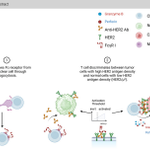
Researchers identified CD8+ T cells that acquire the antibody receptor FcγRI (CD64) from monocytes through trogocytosis. This temporarily gives them the ability to kill antibody-coated targets without conventional TCR recognition.
They then engineered T cells with a modified FcγRI receptor.
In their experimental system, productive signaling required antigen density above approximately 30 molecules/μm². Unlike conventional HER2 CAR-T cells, which responded at lower densities, these cells preferentially killed HER2-overexpressing cancer cells while largely sparing normal epithelial cells.
Soluble antibodies also failed to trigger substantial activation because productive signaling required receptor clustering at the target-cell interface.
The approach offers an alternative to relying on absolutely tumor-specific antigens. It also changes how specificity can be engineered: through a quantitative activation threshold.
Repeated cell administration eradicated established tumors in a mouse model, but human safety and efficacy remain untested.
JCI Insight · November 9 · Open access · Preclinical research
insight.jci.org/articles/vie…
🩸 2. A Myeloma Signal That Activates NK Cells — Yet Tracks With Worse Survival
CD48 is an activating ligand for NK cells. More CD48 on malignant cells should, in principle, make them easier to eliminate.
But patients with CD48-high multiple myeloma had poorer survival in unadjusted analyses.
Researchers explored this contradiction using patient datasets, CRISPR screens, single-cell sequencing and mouse models.
Increasing CD48 expression strengthened acute NK-cell responses and actually slowed myeloma progression in immunocompetent mice.
At the same time, NK cells in advanced disease showed reduced cytotoxic function and progressively stronger exhaustion-associated signatures.
Crucially, CD48 was not an independent survival predictor after adjustment for other disease features, nor was it established as the direct cause of NK-cell exhaustion.
The study illustrates why a favorable immune interaction can coexist with poor clinical outcomes. Tumor aggressiveness, chronic immune stimulation and the surrounding receptor network can outweigh the benefits of one activating ligand.
JCI Insight · November 9 · Open access · Human multi-omics and preclinical experiments
insight.jci.org/articles/vie…
🩸 3. One CAR-T Infusion, Major Mobility Gains in Stiff-Person Syndrome
CAR-T therapy continues moving beyond oncology.
A Phase II study in JAMA Neurology evaluated mivocabtagene autoleucel, an autologous CD19 CAR-T therapy, in 26 patients with treatment-refractory stiff-person syndrome.
At week 16, 21 of 26 patients (80.8%) achieved a clinically meaningful improvement in walking speed. Median improvement in the timed 25-foot walk was 45.6%.
All patients remained free of disease-directed immunomodulatory therapies at their last available follow-up.
Toxicity was not absent: cytokine release syndrome occurred in 24 patients (92.3%), although every case was grade 1–2. Three patients experienced grade 1 ICANS.
The results provide substantial clinical evidence that B-cell-directed cellular therapy can improve function in a disabling autoimmune neurological disease.
However, this was a single-arm study without a control group, and median follow-up was only 6.5 months. Long-term durability and comparative benefit remain uncertain.
JAMA Neurology · November 9 · Open access · Phase II, 26 patients · Full journal report following earlier congress disclosure
jamanetwork.com/journals/jam…
🩸 4. The Immune-Cold Neighborhoods of Esophageal Cancer
Why do some esophageal tumors remain poorly responsive to checkpoint inhibition despite expressing immune-related molecules?
A spatial multi-omics study identified tumor-cell neighborhoods with high E2F1-associated transcriptional activity.
Across ten spatially profiled esophageal squamous cell carcinoma specimens, these neighborhoods contained fewer effector CD8+ T cells and B cells, showed weaker immune-active features, and had higher fractions of PD-L1-positive epithelial cells.
An E2F1-based gene signature also showed exploratory ability to stratify immunotherapy responses in public datasets.
The researchers identified YWHAQ as a potential vulnerability. Its experimental depletion reduced malignant phenotypes and weakened PD-1/PD-L1-associated immunosuppressive features.
This is an interesting combination of spatial immune mapping and functional target discovery. But the signature has not been prospectively validated for treatment selection, and YWHAQ inhibition has not demonstrated clinical benefit.
npj Precision Oncology · November 9 · Open access · Spatial multi-omics and preclinical validation
nature.com/articles/s41698-0…
🩸 5. The Gap Between Immunotherapy Trials and Real Patients
Results from pivotal clinical trials guide treatment decisions. But how closely do trial populations resemble patients seen in routine practice?
Researchers compared baseline characteristics across 36 metastatic renal cell carcinoma datasets: ten randomized trials, 25 published real-world cohorts and one additional Japanese cohort.
Their eligibility gap score, incorporating age, prior nephrectomy and IMDC risk distribution, was higher in randomized trials than in real-world cohorts: 74.0 versus 60.3 (p < 0.001).
The difference was driven mainly by younger patient age and higher rates of prior nephrectomy in clinical trials.
This does not invalidate trial results. It identifies measurable differences that clinicians should consider when applying those results to broader patient populations.
The score is descriptive, not a validated measure of individual treatment eligibility or prognosis. It also excludes several relevant factors, including comorbidities and metastatic burden.
Scientific Reports · November 9 · Open access · Cross-cohort methodological analysis
nature.com/articles/s41598-0…
🩸 6. When Tumor Stiffness Turns Helper T Cells Against Immunity
A tumor can contain abundant Th1 cells yet remain profoundly immunosuppressive.
A new Nature Immunology study suggests that the physical stiffness of pancreatic tumors helps explain why.
In stiff tumor environments, integrin-mediated mechanosensing activates YAP, which cooperates with RUNX1 to reprogram Th1 cells into a distinct dysfunctional state.
Instead of supporting effective antitumor immunity, these cells acquire a secretory program that drives macrophages toward an M2-like immunosuppressive phenotype.
The authors report that inhibiting YAP or disrupting the YAP–RUNX1 interaction reverses Th1 dysfunction and restores antitumor immune activity in experimental models.
The finding adds a mechanical dimension to immune escape. Tumor-associated fibrosis may influence not only whether immune cells can enter a lesion, but also what those cells do after arriving.
Evidence comes from human tissue analyses and experimental models; no clinical benefit from targeting this pathway has been established.
Nature Immunology · November 9 · Original research · Abstract and figure descriptions accessible; full-text access not confirmed
nature.com/articles/s41590-0…
#immunotherapy #cancer #CAR_T #T_cell #NK_cells

🦉 A Glioblastoma Vaccine That Activates New T-Cell Clones
A personalized dendritic-cell vaccine produced encouraging immune and survival signals in 11 patients with newly diagnosed glioblastoma.
Following surgery and standard chemoradiotherapy, patients received ZSNeo-DC, loaded with neoantigens selected from their own tumors.
Median progression-free survival reached 16.2 months. Median overall survival was not reached after 41.6 months of median follow-up.
After five vaccinations, neoantigen-specific immune responses increased a median 10.3-fold. More interestingly, the T-cell repertoire became more evenly distributed, largely through the expansion of newly emerging clones. These changes correlated with longer progression-free survival.
Only two mild fevers were attributed to vaccination.
The immune findings are intriguing, but this single-arm phase Ib trial cannot establish a survival benefit.
Nature Communications · Phase Ib · Open access · July 4, 2026
#immunotherapy #T_cell #Glioblastoma
nature.com/articles/s41467-0…

🦉 Turning Tumor Immune Defenses Into NK-Cell Weapons
Tumors often use PD-L1 and HLA-E to suppress immune attacks. Researchers have engineered NK cells to exploit both defenses.
A modified PD-1 receptor converts PD-L1 recognition into an activating signal. A secreted antibody fragment blocks the inhibitory NKG2A/HLA-E pathway, while NK-cell-produced IL-15 supports survival and persistence.
The design combines tumor recognition, checkpoint resistance, and cytokine support within a single engineered cell.
Rather than simply removing immune inhibition, it turns one inhibitory signal into a trigger for attack.
The results support a promising preclinical strategy for NK-cell therapy.
Clinical efficacy and safety remain unproven.
#immunotherapy #CAR_T #T_cell
nature.com/articles/s41392-0…

🦉 When T Cells Start Helping Cancer Grow
Not all dysfunctional T cells simply lose their ability to kill cancer. Some may actively make it more aggressive.
Senescent T cells accumulate in breast, colorectal, and lung tumors. Their lipid-rich secretions enter cancer cells through LDLR and CD36, activate STAT1/STAT3 signaling, and promote tumor growth, stemness, and metastasis.
In mouse models, these secretions also weakened the effects of 5-fluorouracil and oxaliplatin. Blocking lipid metabolism or eliminating senescent cells reduced tumor progression.
The distinction matters: T-cell senescence may not just impair antitumor immunity. It can directly support cancer survival and chemotherapy resistance.
Mechanistic and therapeutic findings remain preclinical.
#immunotherapy #CAR_T #T_cell
cell.com/cell-reports-medici…

🦉 Cancer Immunotherapy: When the Rules Change
November 1–8, 2026 | Weekly Research Digest | UTC
Basophils protecting against metastasis. Checkpoint therapy working in traditionally resistant colon cancer. More CAR-T expansion bringing more toxicity, but no clear survival advantage.
This week's research offers some unexpected lessons about how cancer immunity works — and why stronger immune responses do not always mean better outcomes.
🩸 1. Allergy Cells That Fight Metastasis
Basophils are usually associated with allergies. But in a new study, these cells helped prevent cancer from spreading to the lungs.
In mouse models, basophils suppressed regulatory T cells (Tregs), removing a brake on antitumor CD8+ T-cell activity. Two mechanisms were involved: cleavage of CD25 by the protease MCPT8 and signaling through histamine H1 receptors.
The researchers then tested what happens when that pathway is blocked.
Loratadine, a common antihistamine, increased metastatic seeding in mice. In 40 healthy volunteers, it also increased circulating Treg frequencies.
The connection is striking: cells and signaling pathways best known for allergic reactions may help control early metastasis.
But the distinction is crucial. The experiments demonstrate an antimetastatic mechanism in mice, not that antihistamines promote cancer spread in humans.
Nature Cancer · November 3 · Open access · Preclinical with human immune measurements
nature.com/articles/s43018-0…
🩸 2. Breaking Colon Cancer's Resistance to Immunotherapy
36% versus 0%. That was the difference in major pathological response between two treatment groups with pMMR colon cancer in the Phase II UNICORN trial.
The combination of botensilimab and balstilimab achieved major pathological responses in 36% of patients, compared with none receiving botensilimab alone.
Why is this interesting? Most pMMR colorectal tumors resist conventional checkpoint blockade. Seeing substantial pathological responses in this setting suggests that resistance may be overcome in at least some patients.
The results were even stronger in dMMR tumors: all 14 patients receiving the combination achieved a major pathological response.
But this was a small, nonrandomized study with 14 patients per cohort. Whether these early responses translate into fewer relapses or longer survival remains unknown.
Nature Medicine · November 2 · Phase II · 56 patients
nature.com/articles/s41591-0…
🩸 3. CAR-T Cells With a Radiation Switch
These engineered CAR-T cells have an unusual feature: they release extra TNF when the tumor is irradiated.
Researchers built a radiation-responsive system that activates local cytokine production, giving CAR-T cells additional inflammatory power where it is needed.
In experimental tumor models, the combination improved tumor regression.
The interesting part is not simply stronger CAR-T activity. It is the ability to control when and where a powerful immune signal is released.
There is a catch, however. In models with multiple lesions, irradiating all tumor sites was important for the strongest response. Local control did not automatically produce sufficient effects elsewhere.
The approach remains preclinical.
Nature Cancer · November 5 · Preclinical research
nature.com/articles/s43018-0…
🩸 4. A Common Stomach Drug, More CAR-T Neurotoxicity
A medication used to reduce stomach acid was associated with a higher frequency of neurological complications after CAR-T therapy.
In a retrospective study of 255 patients receiving axi-cel, ICANS occurred in 66% of proton pump inhibitor users versus 49% of nonusers.
Yet progression-free and overall survival were not significantly different.
The investigators had examined whether these medications, potentially through their effects on the microbiome, might influence CAR-T outcomes. Instead, the clearest association concerned neurotoxicity rather than treatment efficacy.
That makes common concomitant medications worth examining more closely in cellular therapy.
But an association is not causation. The retrospective design, possible confounding and lack of a consistent dose-response relationship prevent conclusions about whether proton pump inhibitors directly increase ICANS risk.
Bone Marrow Transplantation · November 6 · Retrospective study
nature.com/articles/s41409-0…
🩸 5. More CAR-T Cells, More Toxicity — But No Survival Gain
Stronger CAR-T expansion sounds like good news. In a 40-patient multiple myeloma cohort, it came with a complication.
Patients with greater BCMA CAR-T expansion achieved deeper responses, but neurotoxicity occurred in 26% of strong expanders versus none among poor expanders.
Despite the better early responses, progression-free and overall survival were not significantly longer.
The lesson is straightforward: CAR-T expansion reflects biological activity. It does not, by itself, establish a durable clinical benefit.
The cohort was small and heterogeneous, so a survival advantage cannot be ruled out.
Bone Marrow Transplantation · November 7 · Retrospective analysis
nature.com/articles/s41409-0…
🩸 6. Tracking T Cells Without a Biopsy
A new CD3ε-targeted PET tracer allowed researchers to follow T cells across tumors and lymphoid tissues in mice.
Its F(ab')₂ design cleared rapidly from the bloodstream, producing high-contrast images within 24 hours. During combination immunotherapy, PET signals distinguished responding from nonresponding tumors.
The potential advantage is clear: instead of repeatedly sampling one part of a tumor, researchers could observe immune activity across multiple tissues.
Whether these images can reliably predict treatment response in patients remains to be established.
npj Imaging · November 7 · Open access · Preclinical
nature.com/articles/s44303-0…
🩸 7. An Unexpected Signal From Cancer Vaccines
Dendritic-cell vaccination in melanoma patients produced something beyond the expected T-cell response: new autoantibodies.
These antibodies appeared particularly often in patients with favorable clinical outcomes. Different antibody profiles also distinguished responding from nonresponding patients.
That suggests autoantibodies may reveal broader immune changes accompanying successful vaccination.
Whether they can prospectively predict benefit — or contribute directly to tumor control — is still unknown.
Nature Communications · November 4 · Clinical biomarker study
nature.com/articles/s41467-0…
🩸 8. When Immunotherapy Meets Autoimmunity
How much additional immune toxicity does checkpoint blockade bring to patients who already have an autoimmune disease?
A large observational study found higher rates of new immune-related adverse events with checkpoint inhibitors than with other cancer treatments.
The hazard ratio was 1.71 versus chemotherapy and 1.43 versus targeted therapy.
These findings help quantify a practical clinical dilemma: stimulating antitumor immunity in patients whose immune systems are already dysregulated.
The results support more individualized safety assessment, although residual confounding remains possible and risks differ between patients and autoimmune conditions.
Communications Medicine · November 2 · Observational study
nature.com/articles/s43856-0…
🩸 9. Turning Cancer's Macrophages Against It
Macrophages can attack tumors, but cancer often pushes them toward an immunosuppressive state.
A new experimental approach tries to reverse both problems at once.
Lipid nanoparticles deliver CAR-encoding mRNA to generate engineered macrophages in malignant ascites. The same platform promotes degradation of TREM2, a receptor associated with suppressive macrophage behavior.
Rather than simply adding a tumor-recognition receptor, the system also attempts to disable a mechanism that limits macrophage activity.
It is a promising engineering concept, but the evidence remains preclinical. Human efficacy, safety and durability have not been established.
Nature Materials · November 6 · Preclinical · Subscription/full-text access not confirmed; summary based on accessible abstract
nature.com/articles/s41563-0…
#immunotherapy #oncology #CAR_T #T_cell

🦉 Immunology Patent Signals
October 31 – November 7, 2026 | Special Weekly Patent Digest
Three US patent applications published on November 5 describe different ways of improving T-cell cancer therapy: optimizing receptor geometry, recognizing intracellular tumor antigens, and selecting more tumor-reactive lymphocytes.
🩸 1. CAR-T Activation Depends on Receptor Geometry
Oxford University Innovation's US application describes adjusting the dimensions of CARs and accessory receptors to optimize the distance between interacting cell membranes.
In experimental receptor systems, changing the length of CD2 affected antigen sensitivity. Even modest CD2 elongation improved the sensitivity of a CD19-directed CAR in a Jurkat-cell model.
The idea is that effective CAR-T signaling depends not only on binding affinity but also on the physical geometry of the immune synapse.
US20260347479A1 · Published November 5 · Patent application, not grant · Earlier international disclosure
patents.justia.com/patent/20…
🩸 2. T-Cell Engagers Target Intracellular Cancer Mutations
A US application involving engineered TCR-based multispecific molecules describes combining peptide–MHC recognition with T-cell recruitment through receptors such as CD3.
The disclosed constructs include TCR domains recognizing RAS-derived peptides.
Unlike conventional antibody-based engagers targeting cell-surface proteins, this approach could redirect T cells against intracellular tumor antigens presented by HLA molecules.
Its activity remains dependent on antigen processing, presentation, and HLA compatibility.
US20260347430A1 · Published November 5 · Patent application, not grant · Related to an earlier international application
patents.justia.com/patent/20…
🩸 3. Selecting TILs by a Tumor's Chemokine Signature
A US application describes selecting tumor-infiltrating lymphocytes from tumors with elevated expression of a 12-chemokine gene signature.
The proposed method links features of the tumor microenvironment, including tertiary lymphoid structures, to the selection and expansion of tumor-reactive T cells.
Patent examples describe greater frequencies of tumor-reactive TILs in selected melanoma samples. Prospective clinical superiority over conventional TIL manufacturing has not been established.
US20260345772A1 · Published November 5 · Continuing application from an earlier patent family
patents.justia.com/patent/20…
These are new US publications of previously disclosed inventions, not three newly invented therapies. Patent claims do not establish clinical efficacy or patent validity.
#immunotherapy #cancer #CAR_T #patents

🦉 Two T-Cell Engagers Against Uveal Melanoma
Immunocore reported Phase I/II results combining brenetafusp and tebentafusp (KIMMTRAK), targeting PRAME and gp100, respectively.
Among 17 evaluable first-line patients with metastatic uveal melanoma, the combination achieved a 29% objective response rate and 71% disease control rate.
Estimated two-year overall survival was 70%, with median OS not reached after a median follow-up of 29 months. Median progression-free survival was 8.1 months.
Cytokine release syndrome occurred in 77% of combination-treated patients, but no Grade 3–4 CRS was reported.
These early results support further evaluation of dual-antigen T-cell engagement. They do not establish superiority over tebentafusp alone. Immunocore plans a randomized Phase II/III trial, DUET-UVEAL.
Company-reported Phase I/II data · November 6 · NCT04262466
immunocore.com/investors/new…

1
270
🦉Grey Literature Signals
November 1–7, 2026 | Special Weekly Digest
Three new preprints examine how engineered T cells can overcome barriers imposed by solid tumors — through neutrophil recruitment, oncogenic RNA sensing, and activation of the surrounding immune system.
🩸 1. CAR-T Cells Recruit Neutrophils Against Mesothelioma
Researchers engineered CAR-T cells to secrete P144, a peptide that locally blocks TGFβ signaling.
In mouse mesothelioma models, the modified cells controlled tumors better than conventional CAR-T cells and increased intratumoral neutrophils approximately threefold.
Depleting neutrophils weakened the additional therapeutic effect, suggesting they actively contributed to tumor control.
Complete tumor elimination was not achieved.
bioRxiv · November 3 · Preprint, not peer reviewed · Preclinical
biorxiv.org/content/10.64898…
🩸 2. Turning Oncogenic RNA Into a CAR-T Target
A programmable platform called ORCA detects amplified oncogenic RNA and activates therapeutic gene expression selectively in cancer cells.
Researchers used MYC RNA sensing to make colorectal cancer cells susceptible to anti-CD19 CAR-T therapy — effectively converting an intracellular cancer-associated signal into an actionable target.
AAV-delivered ORCA suppressed tumor growth in xenografts and prolonged survival in a mouse model of colorectal liver metastasis.
The approach remains preclinical, and its selectivity and safety in humans are unknown.
bioRxiv · November 3 · Preprint, not peer reviewed · Preclinical
biorxiv.org/content/10.64898…
🩸 3. CAR-T Therapy Gets an Immune-System Adjuvant
Rather than modifying CAR-T cells alone, researchers developed an aluminum–manganese hydrogel adjuvant that recruits additional immune cells and activates STING-associated signaling.
Combined with mRNA-LNP-mediated in vivo CAR-T generation, a single administration doubled CAR-positive T-cell abundance in draining lymph nodes and blood.
The treatment also increased T- and NK-cell infiltration, reduced exhaustion-associated T-cell states, and improved tumor regression and survival in experimental models.
The findings suggest that engineering T cells may not be enough; the surrounding immune system also matters.
bioRxiv · November 2 · Preprint, not peer reviewed · Preclinical
biorxiv.org/content/10.64898…

🦉Stronger CAR-T Expansion, Greater Neurotoxicity
A retrospective analysis of 40 patients with multiple myeloma examined how BCMA CAR-T expansion relates to treatment response and toxicity.
Neurotoxicity occurred in 26% of patients with strong CAR-T expansion versus none among poor expanders (p=0.02). Greater expansion was also associated with deeper responses, but not with significantly better progression-free or overall survival.
The distinction matters: more CAR-T cells may improve early tumor responses while increasing neurological risk, without necessarily extending survival.
The small, heterogeneous cohort included 28 cilta-cel and 12 ide-cel recipients.
Research correspondence · Bone Marrow Transplantation · November 7 · Open access
#immunotherapy #cancer #CAR_T
nature.com/articles/s41409-0…

2
357
🦉 Seeing T Cells Without a Biopsy
Researchers developed a CD3ε-targeted PET probe that maps T cells across tumors and lymphoid tissues in mice.
Compared with a full-length antibody, the F(ab’)₂ tracer cleared more rapidly from blood, producing high-contrast images within 24 hours.
During combination immunotherapy, PET uptake distinguished responding from nonresponding tumors and detected changes in peripheral lymphoid tissues.
The method could help track spatial immune responses without repeated biopsies. Whether it can predict treatment outcomes in patients remains unknown.
Original research · npj Imaging · November 7 · Open access · Preclinical
👉nature.com/articles/s44303-0…

🦉 Cancer Immunotherapy: Daily Field Digest
New Discoveries, Unexpected Results, and Emerging Therapies
November 6, 2026 | UTC
🩸 1. Why Some T Cells Respond to PD-1 Blockade
The relationship between a T cell's receptor and its functional state may reveal more about immunotherapy response than either measurement alone.
TCRi, a new Bayesian framework, analyzed 167,118 CD8⁺ T cells across four datasets. Responders to PD-(L)1 blockade generally showed weaker statistical coupling between T-cell clonotypes and transcriptional phenotypes.
In lung cancer, tumor-neoantigen-specific clones from responders were concentrated in stable tissue-resident memory states. Nonresponders exhibited stronger coupling, including among tumor-reactive clones.
The findings suggest a new way to characterize treatment-sensitive immune repertoires. Clinical prediction remains unvalidated; one eight-patient lung cancer cohort showed no significant patient-level pretreatment discrimination (P = 0.86).
#Nature_Genetics | November 5 | Open access
nature.com/articles/s41588-0…
🩸 2. Radiation Becomes a Switch for CAR-T Cells
/USA–South Korea collaboration/
CAR-T cells can be engineered to release TNF specifically where a tumor receives radiation.
Synthetic radiation-responsive promoters activated TNF production independently of antigen recognition. In mouse and human tumor xenograft models, combining these engineered cells with local irradiation improved tumor regression, damaged tumor vessels and increased CAR-T infiltration.
TNF accumulated inside irradiated tumors without corresponding systemic increases.
However, controlling multiple tumors required irradiation of each lesion. The approach offers spatial control over inflammatory signaling, but clinical safety and efficacy remain unknown.
#Nature_Cancer | November 5 | Abstract available; full-text verification pending
nature.com/articles/s43018-0…
🩸 3. Turning Suppressive Macrophages into CAR Cells
Instead of eliminating tumor-associated macrophages, researchers are attempting to reprogram them.
Targeted lipid nanoparticles delivered Claudin18.2-directed CAR mRNA into TREM2⁺ macrophages in malignant ascites while promoting TREM2 degradation.
In mouse models, the engineered macrophages enhanced CD8⁺ T-cell responses. Combined with PD-1 blockade, they suppressed tumor growth and prolonged survival.
Patient-derived ascites experiments supported the proposed immune effects.
The strategy attempts to overcome macrophage-mediated suppression while creating new tumor-targeting cells. Human therapeutic efficacy remains untested.
#Nature_Materials | November 6 | Abstract available; full-text verification pending
nature.com/articles/s41563-0…
🩸 4. How Lung Cancer Silences STING
Resistance to targeted therapy may simultaneously weaken immune recognition.
In osimertinib-resistant NSCLC models, increased ENPP1 expression accelerated extracellular cGAMP degradation, suppressing STING-dependent signaling.
Blocking ENPP1 restored immune activity. Its combination with PD-1 blockade improved tumor control in human immune cell-reconstituted mice.
Biopsies from 18 patients showed higher ENPP1 expression after acquired resistance, associated with suppressive macrophages and shorter progression-free survival.
These results connect EGFR-inhibitor resistance with an experimentally targetable immune-escape mechanism.
Whether ENPP1 inhibition can improve patient outcomes remains unknown.
#Cell_Death & Differentiation | November 5 | Open access
nature.com/articles/s41418-0…
🩸 5. Mapping Glioblastoma’s Immune Geography
/China-led collaboration/
The same immune cells can behave differently depending on their position within a tumor.
DIRAC, a new spatial multi-omics framework, integrates RNA and protein measurements across datasets to reconstruct cellular organization.
In glioblastoma, it identified nine tissue niches, including a microvascular proliferation region and a macrophage-rich tumor compartment.
Applied to mouse thymus data covering approximately 173,649 cells, it reconstructed aspects of T-cell maturation and migration.
DIRAC could help distinguish immune-excluded from immune-accessible regions and investigate how tumors organize suppressive environments.
These applications remain prospective; the study did not test immunotherapy efficacy.
#Nature_Methods | November 5 | Open access
nature.com/articles/s41592-0…
🩸 6. When Radiation Turns Mitochondria into Inflammatory Signals
Radiotherapy can trigger inflammation through signals released by irradiated cancer cells.
After 8 Gy irradiation, A549 lung cancer cells released more mitochondria-derived vesicles.
These vesicles were associated with increased expression of macrophage M1-associated markers CD80 and CD86.
The mitochondrial micropeptide ATMLP promoted vesicle production through PGAM5 and DRP-1.
Suppressing either downstream regulator reduced vesicle formation and weakened macrophage activation.
The pathway may help explain radiation-associated inflammation, an important concern in combined radioimmunotherapy.
Evidence is limited to cell cultures and does not demonstrate a role in clinical radiation pneumonitis.
Journal of Radiation Research | November 5 | Open access
doi.org/10.1093/jrr/rrag092
🩸 7. T-Cell Lymphoma: Resistance and Invasion
Acquired resistance to vorinostat made cutaneous T-cell lymphoma cells more invasive as well as harder to kill.
Resistant HuT78 cells were approximately ten times less sensitive to vorinostat and displayed more than threefold greater migration.
They showed increased ERK phosphorylation, defective apoptosis and resistance to several other HDAC inhibitors.
Combining the ERK inhibitor ulixertinib with vorinostat restored drug sensitivity and suppressed resistant tumors in mice. Liver metastases were not detected in the combination-treated group.
The results identify a potentially reversible resistance mechanism, but clinical efficacy is unknown. The mouse study used five animals per group.
Communications Biology | November 5 | Open access
nature.com/articles/s42003-0…
🩸 8. A Pesticide Disrupts Antitumor T Cells
Environmental exposure may influence tumor immunity through mechanisms beyond direct cellular toxicity.
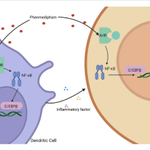
In experimental colorectal cancer models, phenmedipham activated AHR–NF-κB–C/EBPβ signaling, increased inflammatory cytokines and impaired dendritic-cell activation and T-cell effector responses.
Genetic and pharmacological interventions attenuated these changes and reduced the increased tumor burden observed in mice.
The study suggests a connection between chemical exposure and immune suppression. It does not establish human cancer risk or demonstrate an effective immunotherapy intervention.
npj Precision Oncology | November 6 | #China | Open access
nature.com/articles/s41698-0…
🩸 9. Lower Doses, Different Immune Effects
Anti-angiogenic treatment changes more than blood-vessel density. Its dose and combination strategy also influence the tumor immune environment.
In an MC38 colorectal cancer mouse model, low-dose bevacizumab plus fruquintinib reduced tumor growth while increasing T-cell-associated staining and granzyme B signals, lowering CD31 expression and producing comparatively low CD206 expression.
Bevacizumab plus capecitabine achieved greater tumor suppression, showing that antitumor activity and immune remodeling did not follow identical patterns.
Interpretation is constrained by six mice per group and bevacizumab's limited recognition of murine VEGF-A. Clinical implications remain uncertain.
#Scientific_Reports | November 5 | Open access
nature.com/articles/s41598-0…
💡 Clinical & Corporate Watch
$IMNN
🩸 10. A New T-Cell Balance in Ovarian Cancer
New paired-biopsy analyses from randomized Phase 2 OVATION 2 suggest that IL-12 gene therapy IMNN-001 alters immune composition within ovarian tumors.
Combined with chemotherapy, IMNN-001 increased CD8⁺/Treg and CD8⁺/CD4⁺ ratios in tumors and surrounding stroma.
Previously reported median overall survival was 45.1 versus 30.4 months. The new immune measurements offer a possible explanation but do not establish that these changes caused the survival difference.
IMUNON | November 6 | SITC 2026 | Phase 2 biomarker analysis
rss.globenewswire.com/news-r…
🩸 11. Two Responses After Checkpoint Failure
SOT201 combines PD-1 targeting with IL-15 stimulation.
Initial Phase 1 data from 22 heavily pretreated patients showed disease control in 59%. Two patients previously exposed to checkpoint inhibitors achieved confirmed partial responses, including one lasting 388 days.
Most reported treatment-related adverse events were grade 1–2.
The results justify further investigation, but the small uncontrolled trial cannot establish comparative efficacy.
SOTIO | November 6 | VICTORIA-01 Phase 1 | Interim company data
rss.globenewswire.com/news-r…
$CADL
🩸 12. Local Gene Therapy, Systemic T-Cell Activation
A treatment injected into prostate tumors produced immune changes detectable in peripheral blood.
Phase 2 PrTK05 biomarker analyses showed that aglatimagene besadenovec, added to radiotherapy-based treatment, increased circulating cytotoxic and memory CD8⁺ T cells.
Activated GZMB⁺Ki67⁺ CD8⁺ populations remained above baseline through weeks 16–18, unlike in the standard-treatment comparison group.
The analysis involved up to 17 treated patients and seven controls. It demonstrates immune modulation, not improved clinical outcomes.
Candel Therapeutics | November 6 | SITC 2026 | Phase 2 biomarker data
ir.candeltx.com/news-release…
$IMRX
🩸 13. Half the Mice Had Durable Regressions
Intermittent MEK inhibition may help RAS-mutant tumors respond to checkpoint blockade.
In colorectal cancer mouse models, atebimetinib plus anti-PD-1 produced durable complete regressions in 50% of mice.
In a separate RAS-mutant lung cancer model, adding atebimetinib to chemotherapy and PD-1 blockade increased median survival 1.8-fold compared with chemotherapy plus PD-1 blockade.
The company also reported fewer suppressive myeloid cells and Tregs, alongside increased NK cells. These are preclinical findings, not human efficacy results.
Immuneering | November 6 | SITC 2026 | Preclinical company data
rss.globenewswire.com/news-r…
$EVAX
🩸 14. Did the Vaccine Choose the Right Neoantigens?
Personalized cancer vaccines depend on selecting mutations capable of generating meaningful immune responses.
New Phase 2 EVX-01 analyses detected neoantigen-specific T cells directly ex vivo in patients with advanced melanoma.
CD4⁺ responses predominated, while CD8⁺ responses were detected in half the patients. AI-predicted antigen immunogenicity correlated with measured immune responses (P < 0.001).
An earlier 75% response rate among 16 patients receiving EVX-01 with pembrolizumab is not new clinical evidence from this announcement.
The vaccine's independent contribution to tumor control remains unresolved.
Evaxion | November 6 | SITC 2026 | Phase 2 biomarker update
rss.globenewswire.com/news-r…
#immunotherapy #CAR_T #T_cell
