
Essentially a student of design thinking in public policy & implementation
Lahore
Joined January 2011
- Tweets304
- Following83
- Followers7.2K
- Likes88




Pakistan from space at night, 2012 and 2026. In fourteen years our lit-up land grew by about a quarter, and our urban population by about 60%.
Growth has been uneven. Faisalabad, Multan and Sialkot have doubled their lit footprint. Islamabad-Rawalpindi grew 1.8 times and the Lahore belt 1.5 times, while Karachi grew 1.4 times and Peshawar 1.2.
Lahore, Gujranwala and Kasur were once separate pools of light. They have now fused, with Sheikhupura, Muridke and Kamoke, into one lit belt larger than Karachi’s. A megacity is taking shape along the GT Road.
But the state still governs the old map. The Lahore belt spans four districts and has no single government. Karachi is divided among a dozen land-owning agencies. Punjab’s cities have been run by appointed administrators for most of a decade.
The lights have merged. The state has not. Cities grow on their own. Whether they grow well depends on whether we govern them as the places they have become.

Since 1950 Pakistan’s population has grown 7.2 times, and income per person has still risen more than fivefold. That is no small achievement. But imagine what we could have been.
Across the border, Indian Punjab has 70 people of working age for every 100. Our Punjab has 58. In facing districts that share the same soil and the same language, a woman on our side has about 3.4 children and on theirs about 1.6. The biggest reason is that they put their girls in school two decades before we did.
Had we controlled our population, every Pakistani would be richer by at least $400 a year. That is some $90 billion of income, and $9 to 11 billion of taxes, foregone every year. It is enough to nearly double what all our governments spend on education.
Few rupees work harder than those spent on women. An educated woman earns more, marries later, has fewer and healthier children, and sends every one of them to school. Her returns do not stop with her. They pass to the next generation and to the national budget. No highway or subsidy pays back like that.
We have done well against the odds. We can do far better. Every girl in school brings that day closer.

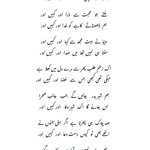
ایک خیال جو کب سے پک رہا تھا اور کل ایک نظم میں ڈھل گیا
کوئی ہے ؟
کوئی ہے جو مجھ کو بھی زیرِ لب کبھی روک لے، کبھی اذن دے
کوئی ہے جو میری ہی چاپ کی کبھی بیڑیاں ، کبھی پَر بنے
کوئی ہے جو میرے ہی شہر میں مرے حال سے رہے باخبر
جسے فکر ہو میں کہاں گیا ، جو خیال میں مجھے ڈھونڈ لے
رہے منتظر پسِ خواب بھی ، کہ میں لوٹ کر اُسے آ ملوں
کوئی ہے کبھی جو دمِ سحر ، کبھی وقتِ شام نوید دے
کہ جو رات ہے وہ گزر چلی ، کہ نئی سحر ہے قریب تر
کہ ابھی وہ کس کی پلک پہ ہے، کہ ابھی وہ کس کے خیال میں
وہ کمال ہے ، وہ جمال ہے، جو کسی نے دیکھا نہ آج تک
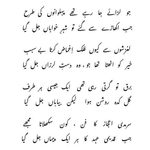
کوئی ہے جو میرے بھی دل کی تال سے تال دے، مری لے بنے
کبھی یہ کہے، کبھی وہ کہے، کبھی چپ رہے، کبھی بول دے
جو مرے سخن میں بسے تو یوں کہ وہ شعر ہو، میں غزل بنوں
مرے حرف حرف میں سانس لے، مری سطر سطر میں لَو جلے
کوئی ہے جو میری راہ میں سبھی سورجوں کا چراغ ہو
جو اُنھیں بھی جا کے سراغ دے کہ کہاں ہے نور کا آستاں
کسی دشت میں، کسی رات میں، جو قدم سے ایسے قدم ملے
کہ نہ چاپ دو، نہ قدم جدا، جو صدا اٹھے تو وہ ایک ہو
جو زمیں پہ میرے قریب ہو، مری آس ہو سرِ آسماں
کوئی ہے، میں جس کی دعا میں ہوں کوئی حرف سا، جو کبھی مجھے
کسی شام چھو کے جو پھونک دے، تو بدن میں روح سی چل پڑے
مری نبض نبض میں جاں پڑے، مرے انگ انگ میں رس بھرے
میں جو راکھ تھا، سو گلاب ہوں، میں جو خشک تھا، سو بہار ہوں
کوئی ہے جو میرے دیارِ دل میں اذان دے ترے اسم کی
وہ اذاں کہ جس سے میں جی اٹھوں، کہ سکوت ٹوٹے فصیل کا
کہ دریچے وا ہوں مکاں مکاں، کہ گلی گلی میں ہو روشنی
کہ مرے بجھے ہوئے طاق میں کوئی لَو جلے ترے ہاتھ سے
کبھی لوٹ آ، کہ اُجاڑ ہے ترے بِن نگر، مرے چارہ گر
کبھی سامنے سے صدا تو دے، مرے اَن کہے کو زباں تو دے
مجھے اپنی آپ خبر نہیں، کہ میں کون ہوں، کہ کہاں ہوں میں
کوئی ہے؟ کوئی تو کہیں پہ ہے جو مجھے مجھی سے ملا سکے
٭٭٭
A Resilient Pakistan
Since 1950 Pakistan's population has multiplied more than seven times, from 36 million to 259 million. Had the whole world grown at that pace, it would hold 18 billion people today, not 8.3 billion. China would have 4 billion people instead of 1.4 billion, Europe 2.8 billion instead of 541 million, and Japan 625 million instead of 122 million.
Pakistan carried that weight in one of the world's hardest neighbourhoods. To the east is a hostile neighbour with nearly six times its population and nearly nine times its economy. To the west is Afghanistan, the playground of the Great Game, through four decades of Soviet and American wars and more than three million refugees.
Few societies have carried such a weight. Of the large economies that grew this fast, most fell into civil war or state collapse, and the rest mostly stayed poor. Only Saudi Arabia and Iraq, both carried by oil, did better.
Pakistan had no oil windfall yet it multiplied real income per head 5.4 times, faster than the world.
Those who call it a failed state should look at the record: it is the most resilient state of the last 75 years.

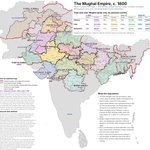
Pakistan in 1600 vs Today.
Punjab and Sindh: about 6.7 million people then, 198 million now. Akbar’s officials measured this land bigha by bigha, so the Ain-i-Akbari lets us count it fairly well.
The hills and the west they listed, claimed, and never measured.

We discount tomorrow too steeply; it is wired into us. So the plan we make today is not the plan we keep tomorrow. The cure is not stronger will. It is tying your own hands: give the rein, today, to someone you cannot overrule when the moment comes.
بندھے ہاتھ کی طاقت jang.com.pk/news/1629198

Choices we make matter
Akbar’s clerks measured the fields of most of northern India, bigha by bigha, and wrote down what each owed. In 1600, Lahore Subah was assessed almost as high as Delhi. The lands that are now Pakistan held 8 percent of the empire’s people and paid more than 10 percent of its revenue. Under the Raj the pattern held: in 1941 these lands held under 10 percent of the people and paid 11 percent. For three and a half centuries this land raised more per head than the rest of the empire: $39 under Akbar, $53 in 1900 and $126 in 1941, in today’s dollars.
Then we made our choices. Since 1941 our population has grown more than ninefold, against less than fivefold in India’s Mughal lands and about fourfold in Bangladesh’s. Today we hold 18 percent of the old empire’s people and raise less than 12 percent of its revenue. Pakistan now raises $211 a head, while the same Mughal soil across the border raises $390.
Bangladesh made different choices. In 1941 its lands held 12 million more people than ours; today we hold 92 million more. It taxes even less per head than we do, yet one in four of its children is stunted against four in ten of ours, and nearly eight in ten Bangladeshis can read against six in ten Pakistanis. It did not find a bigger purse. It chose fewer children per family, and it sent its daughters to school.
When children multiply faster than the means to raise them, nothing breaks at once. Everything thins: a smaller share of the river, a more crowded classroom, a body that never reaches its full height.
Same rivers, same soil, same inheritance. Geography did not decide our fate, and neither did history. Choices did, and choices can still be made.

What we have already decided
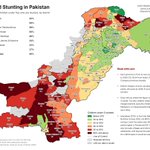
We speak of the future as if it were open. This map suggests otherwise.
The children on it were under five when they were measured. In the 2040s they will run our farms, offices and factories; in the 2060s they will be the parents and taxpayers on whom an ageing country leans. Two in five of them are stunted. Whatever we choose to do now, for them this part of the future has already been decided, before they could choose anything.
A child’s height at two is a kind of ledger. It records, with no possibility of appeal, whether her mother ate, whether the water was clean, whether someone helped when she had diarrhoea, whether anyone thought she mattered enough to reach. The ledger in Gujrat reads one way. In Thatta it reads another. In Haripur and Kohistan, a hundred and fifty kilometres apart, the same province records two different countries.
We like to believe this is history, or geography, or poverty, things that happen to us. But the greenest districts were never the richest land. They were the places where girls went to school, where men found work beyond the village, where the state and the market arrived. The map is not a record of what nature gave us. It is a record of whom we chose to reach.
We are a society that discounts the future heavily. We defer, we borrow, we promise. But children cannot be deferred. The first thousand days do not wait for a better budget year.
Somewhere in Jamshoro a girl stunted in 2018 will be a mother by 2045. What we failed to give her, she will not be able to give her child.
The question this map asks is not about them. It is about us.

One third of work force in 2045 would be these kids. What explains intra-district differentials? Poverty, nutrition, water quality, sanitation. ?

حکومت اعلان کرتی ہے کہ دریا کی نشیبی زمین پر بند نہیں بنے گا، گھر مت بناؤ۔ لوگ پھر بھی بنا لیتے ہیں، کہ جانتے ہیں گھر بن گئے تو کوئی رحم دل حکومت بند بنائے بغیر نہ رہ سکے گی۔ ریاست کا ارادہ سننے والوں کے عمل سے بدلتا ہے. 1977ء میں فن کڈلینڈ اور ایڈورڈ پریسکاٹ نے ریاضی کی زبان میں سمجھایا کہ ایسی حکومت بھی جو صرف عوام کی بھلائی چاہے اپنے عہد سے پھر جائیگی، اور دیکھنے اور سننے والے یہ بات پہلے سے جانتے ہوں گے.
گھڑی کی بے وفائی jang.com.pk/news/1627188

ہم کل کو آج سے سستا جانتے ہیں اور یہ عیب نہیں، جینے کی شرط ہے۔جو آج کا نوالہ کل پر وارتا رہے وہ کل تک پہنچتا ہی نہیں۔ مگر ہمارا بھاؤ سیدھی ڈھلان پر نہیں اترتا،آج اور کل کے بیچ قیمت ایک دم گرتی ہے، پھر دھیرے دھیرے. آنے والے کل کا بھاؤ آدمی کے کردار کا بیان نہیں، اُس کے فاصلے کاپیمانہ ہے اور قوم کا بھاؤ اُس کے سب سے بھوکے آدمی کی دہلیز پر طے ہوتا ہے۔
آنے والے کل کا بھاؤ jang.com.pk/news/1625024
مسئلہ یہ ہے کہ شاعر کے گاؤں میں کوئی مزارع نہیں بستا، وہاں کوئی کسی کا مقروض نہیں ہوتا اور وہاں کوئی کسی پر نظر نہیں رکھتا
jang.com.pk/news/1622985
