

Independent data aggregator for tokenized RWA. 🌐 Global hub for tokenized projects 🏢 Platforms 🔍 Due Diligence 📊 Real economy cash flows
Joined January 2026
- Tweets92
- Following2
- Followers3
- Likes17




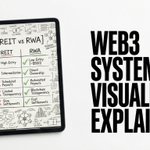

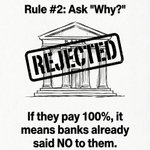



Basic Due Diligence Checklist
Tokenization begins with rigorous due diligence. If the project’s Data Room is missing these five documents, you are buying thin air.

1
1
30
Private Placement Memorandum (PPM). The official disclosure document that strictly defines your rights, the dividend payout mechanics, and the associated risks.
• Valuation Report. An up-to-date property appraisal by a certified professional, not the founder’s imagination.
1
4
What is the true cost of tokenizing a business or real estate asset?
Drop your estimates below.
Let's see who understands the real math.
0%$10000
0%$50000
0%$100000
0 votes • Final results 15

Tokenization vs. Credit
Developers typically take out bank loans to scale their business. This path has serious drawbacks: high interest rates, strict terms, and the risk of losing the asset if the payment schedule is breached. Furthermore, the paperwork itself takes months.

1
14
Full operational control. The developer only shares a portion of the future profit and retains complete management control over the project. The bank no longer dictates the terms.
1
4